Get Indoor Air Quality Testing
Indoor Air Quality Testing services help property owners identify and resolve issues like mold, allergens, and pollutants through assessments conducted by qualified local contractors.
Indoor air quality testing is an important step for property owners looking to ensure a healthy and comfortable living or working environment. Whether you're planning renovations, dealing with persistent odors, or simply want to assess the air inside your property, understanding the current air conditions can help inform your next steps. Local contractors who specialize in air quality testing can provide valuable insights, helping you compare options and find the right solutions for your specific needs.
Exploring indoor air quality testing can also be practical for those concerned about allergens, pollutants, or potential health issues linked to indoor air. Property owners in the area seeking reliable, professional assessments can connect with experienced service providers who understand local conditions and requirements. Keep reading to discover how local experts can assist with your indoor air quality concerns and support your planning process.
- Indoor Air Quality Testing - When residents notice persistent odors or allergies indoors, local service providers can assess air quality.
- Ventilation System Evaluation - If a building feels stuffy or has uneven airflow, professionals can evaluate and improve ventilation.
- Mold and Mildew Inspection - Signs of mold growth or moisture issues may require indoor air testing by local contractors.
- Air Purification Assessment - Upgrading or maintaining air purification systems can benefit from expert testing and recommendations.
- Building Inspection for IAQ Concerns - Suspected indoor air quality problems in commercial or residential spaces can be addressed through comprehensive testing by local pros.


Indoor air quality testing services involve evaluating the air inside a property to identify potential pollutants, allergens, and contaminants. This process typically includes collecting air samples from various areas within a home or commercial space and analyzing them for common indoor pollutants such as dust, mold spores, volatile organic compounds (VOCs), and airborne bacteria. The goal is to provide a clear understanding of the air's condition, helping property owners determine if their indoor environment is safe and healthy. Professional testing can uncover issues that may not be visible or obvious, offering peace of mind and a foundation for addressing indoor air concerns effectively.
These services are especially helpful in identifying and resolving problems related to poor indoor air quality that can cause or worsen health issues. Common issues include allergies, respiratory problems, headaches, or fatigue linked to airborne irritants or mold growth. Indoor air testing can also detect mold spores and moisture problems that might lead to hidden mold growth, which can cause long-term damage and health risks. By pinpointing the sources of indoor air problems, property owners can take targeted steps to improve ventilation, reduce pollutants, and create a healthier living or working environment.
Indoor air quality testing is often utilized in a variety of property types, including single-family homes, multi-unit residential buildings, offices, and commercial spaces. Homes that have experienced recent water damage, signs of mold, or persistent odors are frequent candidates for testing. Additionally, properties with new renovations, pest infestations, or occupants with allergies or respiratory conditions may benefit from an assessment. Commercial properties, particularly those with HVAC systems or high occupancy levels, also commonly seek air quality testing to ensure a safe environment for employees and visitors.
Homeowners and property managers turn to indoor air quality testing services when they notice symptoms like unexplained allergies, mold growth, or persistent musty odors. It is also recommended when a property has undergone repairs or renovations that could introduce airborne contaminants. Regular testing can help detect issues early before they develop into more serious health or structural problems. Connecting with local contractors through a trusted lead generation platform can help find qualified professionals who specialize in indoor air quality assessments, ensuring that any concerns are addressed thoroughly and effectively.
The overview below groups typical Indoor Air Quality Testing projects into broad ranges so you can see how smaller, mid-sized, and larger jobs often compare in your area.
In many markets, a large share of routine jobs stays in the lower and middle ranges, while only a smaller percentage of projects moves into the highest bands when the work is more complex or site conditions are harder than average.
Basic Indoor Air Quality Testing - typical costs range from $250 to $600 for many smaller jobs. These tests usually involve sampling air in a single area to identify common pollutants. Most routine projects fall within this range, with fewer reaching higher costs.
Comprehensive Air Quality Assessments - these larger, more detailed tests generally cost between $600 and $1,500. They often include multiple sample locations and detailed analysis, suitable for homes or businesses with complex needs. Many projects are priced in this middle band, while some may go higher for extensive testing.
Specialized Testing for Mold or Allergens - costs typically range from $300 to $1,200 depending on the scope. This includes testing for specific contaminants and often involves lab analysis. Many cases land in the lower to mid-range, with more complex cases reaching the higher end.
Full Indoor Air Quality Solutions - comprehensive services, including testing and remediation, can cost from $1,500 to over $5,000. Larger or more complex projects, such as extensive mold removal or ventilation upgrades, tend to fall into this higher cost bracket, though many projects are priced lower based on scope.
Actual totals will depend on details like access to the work area, the scope of the project, and the materials selected, so use these as general starting points rather than exact figures.
Mold Inspection Projects - professionals in mold inspection use similar testing methods and tools to identify indoor air contaminants that can affect air quality.
Ventilation System Assessments - local contractors evaluate and improve ventilation setups to ensure proper airflow and reduce indoor pollutants.
Asbestos Testing Services - those specializing in asbestos testing often perform air sampling and analysis to detect airborne asbestos fibers.
Radon Testing Projects - radon testing involves measuring indoor air levels, utilizing comparable sampling techniques used in air quality assessments.
HVAC System Testing - testing HVAC systems for efficiency and air distribution shares planning and diagnostic skills with indoor air quality testing.
Indoor Air Quality Consultations - consultants provide evaluations and recommendations similar to testing services, focusing on improving overall air conditions.

When comparing indoor air quality testing service providers, it’s important to consider their experience with similar projects. An experienced local contractor will have a better understanding of common issues and the most effective testing methods, which can lead to more accurate assessments. Asking about the types of testing they’ve performed in comparable settings can provide insight into their familiarity with specific concerns, such as mold, allergens, or chemical pollutants, ensuring the chosen professional is well-equipped to handle the job.
Clear written expectations are essential for avoiding misunderstandings and ensuring that the scope of work is well-defined. Service providers should be able to explain what the testing process involves, what types of samples will be collected, and how the results will be delivered. Having these details in writing helps homeowners understand what to expect, and it provides a basis for evaluating the thoroughness and professionalism of the contractor. This clarity can also facilitate smoother communication throughout the project.
Reputable references and strong communication skills are key indicators of a reliable service provider. Local contractors with positive references from previous clients demonstrate a track record of satisfactory work. Additionally, good communication-whether through prompt responses, clear explanations, or willingness to address questions-can make the process more straightforward and less stressful. While the site introduces homeowners to local options, it’s important to remember that the actual testing and services are performed by qualified local professionals who can meet these standards.
Property owners use Indoor Air Quality Testing services for practical projects around their homes and businesses. This guide focuses on everyday jobs and straightforward project options.
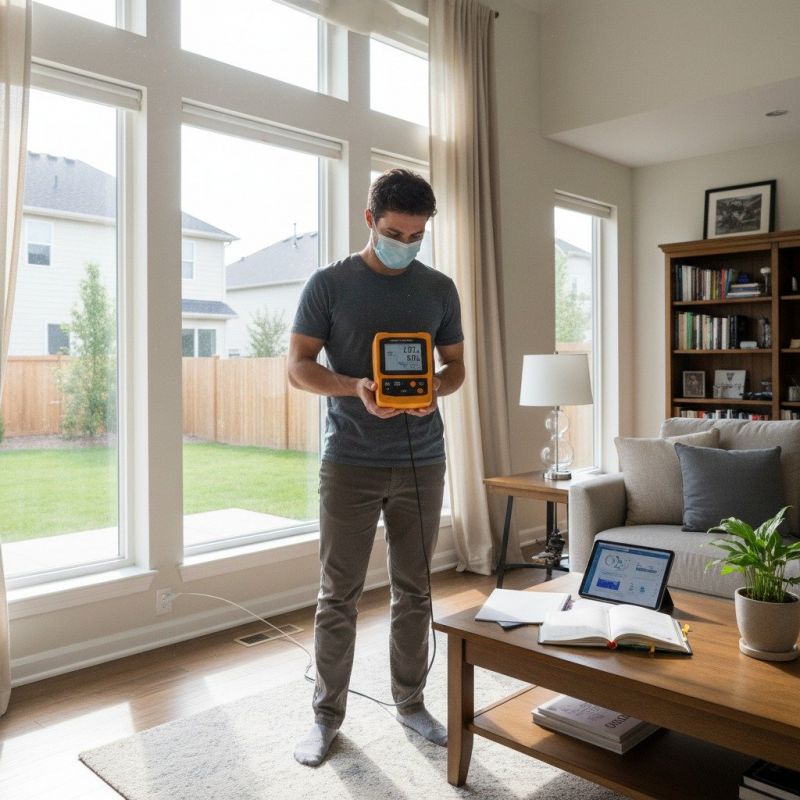
Indoor air quality testing services are often sought after by property owners experiencing issues like persistent odors, allergy symptoms, or unexplained respiratory discomfort. In many cases, homeowners or landlords may notice mold growth, musty smells, or dust buildup that suggests airborne contaminants are affecting the environment. Local contractors who specialize in air quality assessments can help identify potential sources of pollutants, ensuring that residents and tenants breathe cleaner, healthier air within their spaces.
Property owners might also consider indoor air quality testing when planning renovations, purchasing a new property, or addressing concerns raised by previous occupants. These services provide valuable insights into potential indoor hazards such as mold, allergens, or volatile organic compounds (VOCs). Connecting with experienced local service providers enables property owners to take informed steps toward improving indoor air conditions, creating safer and more comfortable living or working environments.
What is indoor air quality testing? Indoor air quality testing involves assessing the levels of pollutants and allergens in a home or building to identify potential health risks.
Why should I consider indoor air quality testing? Testing can help detect issues like mold, dust, or chemical contaminants that may affect comfort and health.
How do local service providers perform indoor air quality testing? They typically use specialized equipment to collect air samples, which are then analyzed to determine pollutant levels.
What types of pollutants can indoor air quality testing identify? Testing can detect mold spores, dust particles, volatile organic compounds (VOCs), and other airborne contaminants.
How can I find qualified local contractors for air quality testing? This website can connect you with nearby service providers experienced in indoor air quality assessments.
Indoor Air Quality Testing for Allergens - This service helps property owners identify common allergens like dust, mold, or pet dander that may affect indoor comfort and health.
Detecting Mold and Mildew - Local contractors can assess areas prone to moisture to detect mold presence that might cause property damage or health issues.
Ventilation System Evaluation - Testing can reveal whether existing ventilation is effective in maintaining healthy indoor air, guiding improvements or repairs.
Air Quality Monitoring for Odors - Property owners can use testing services to pinpoint sources of persistent odors and improve indoor freshness.
If you are thinking about Indoor Air Quality Testing for a property, this guide is meant to help you understand the work, the typical project types, and how different options might fit your plans.
When you are ready, you can use the quote form on this page to share a few details about your project. From there, local pros can review the basics and respond with options that match what you have in mind.